
Why Adrenaline-Driven Leadership Events Often Fail in the Long Run
High-energy leadership events feel powerful.
The music rises.
The lights shift.
Voices get louder.
People cry, commit, declare change.
And for a moment, everything feels possible.
Adrenaline is a potent neurochemical.
It sharpens focus.
Increases confidence.
Creates emotional bonding.
Overrides hesitation.
It can feel like transformation.
But adrenaline is mobilization — not integration.
When an event is built primarily on intensity, participants often leave in an activated state. They feel expanded, courageous, decisive. Yet if the underlying nervous system patterns remain unchanged, the system eventually returns to baseline.
Two weeks later, the old triggers resurface.
Defensiveness returns under pressure.
Meetings feel tense again.
Decision-making narrows.
The breakthrough fades.
Because what changed was state — not structure.
Sustainable leadership does not depend on peak states. It depends on baseline regulatory capacity.
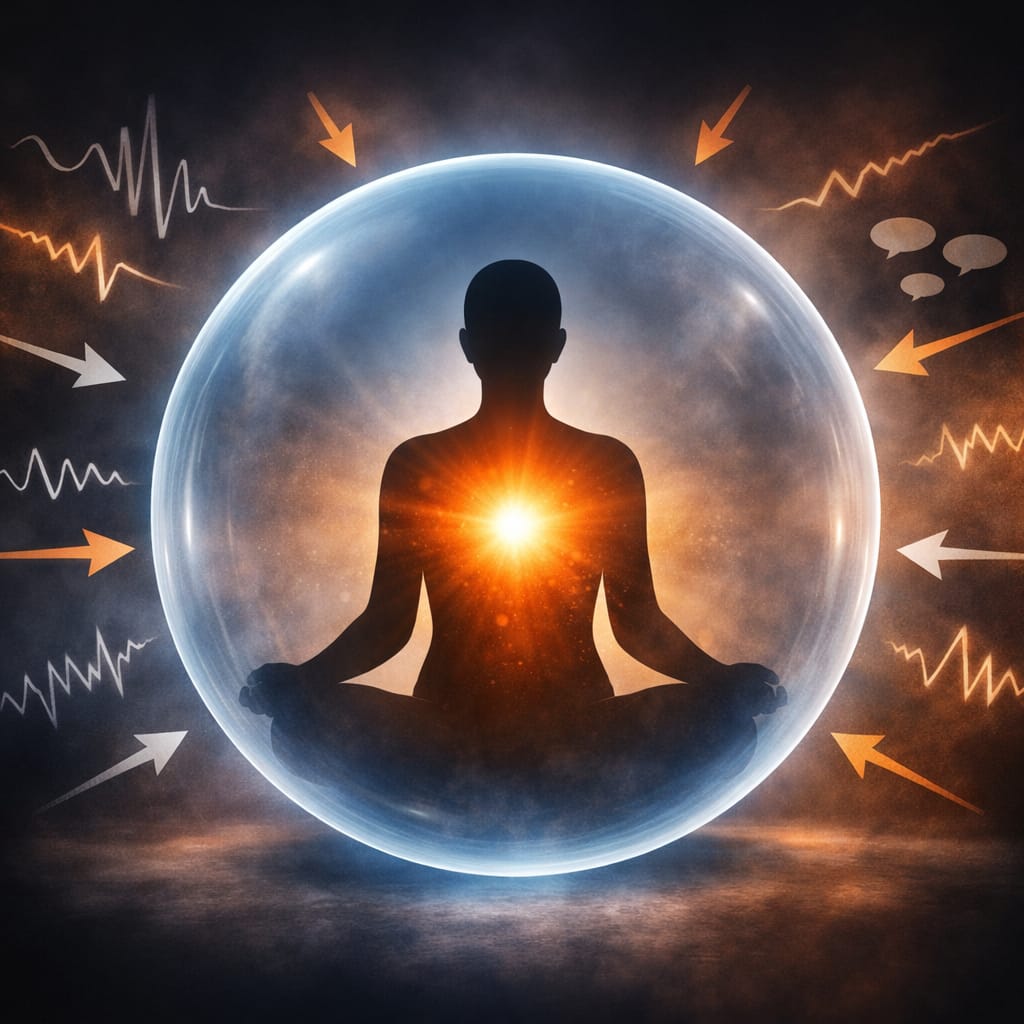
Can you remain coherent when challenged?
Can you think clearly when criticized?
Can you stay relational when tension rises?
Governance is built from those moments — not from applause.
This does not mean intensity has no place in development. Activation can reveal patterns. But without integration, intensity becomes consumption.
Adrenaline burns bright.
Coherence builds longevity.
If we care about sustainable organizations — and sustainable societies — we must distinguish between what feels transformative and what actually reorganizes authority.
The real question is not:
“How high can we raise the energy?”
It is:
“What holds when the energy drops?”